
Uncategorized
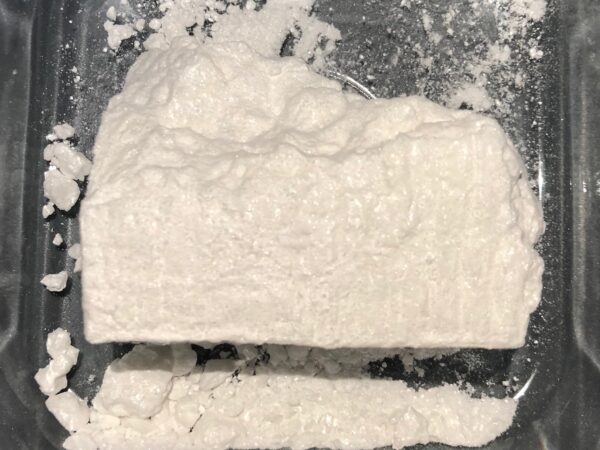
Best place to Buy Powder Cocaine in Europe
Jul
Wholesale Suppliers Powder Cocaine in Europe: Trends, Health Risks, and Why Awareness Matters
Buy Powder Cocaine in Europe remains a significant public health concern. While the drug has been present across the continent for decades, recent years have seen changes in production, trafficking, availability, and patterns of use. Governments, healthcare professionals, and community organizations continue to address the health and social consequences associated with cocaine consumption.
Understanding the facts about powder cocaine for across europe is essential for individuals, families, educators, employers, and policymakers. Increased awareness can help reduce misinformation, encourage prevention, and support people who may be struggling with substance use disorders.
What Is Powder Cocaine in Europe?
Wholesale Powder Cocaine in Europe is a powerful stimulant derived from the leaves of the coca plant. It affects the central nervous system by increasing dopamine levels in the brain, producing short-term feelings of energy, confidence, and alertness. However, these effects are temporary and are often followed by fatigue, anxiety, irritability, and cravings.
Because cocaine has a high potential for misuse and dependence, repeated use can lead to serious physical, psychological, and social consequences.
Cocaine Trends Across Europe
Across Europe, buying cocaine online safely remains one of the most commonly used illicit stimulant drugs. While patterns of use differ between countries, urban areas generally report higher levels of consumption than rural regions.
Several factors have contributed to changing trends:
- Increased availability through international trafficking networks.
- Higher purity levels in some markets.
- Growing demand in nightlife and recreational settings.
- Expansion of trafficking routes through European ports.
European authorities continue to monitor the drug market to better understand changing consumption patterns and emerging risks. Public health agencies also emphasize the importance of prevention, education, and treatment rather than relying solely on enforcement.
Health Risks of Powder Cocaine
The health effects of powder cocaine can vary depending on the amount used, frequency of use, and individual health conditions. Even occasional use carries risks.
Short-Term Effects
Common short-term effects include:
- Increased heart rate
- Elevated blood pressure
- Dilated pupils
- Reduced appetite
- Increased energy
- Restlessness
- Anxiety
- Difficulty sleeping
Some individuals may also experience panic attacks, paranoia, or aggressive behavior.
Long-Term Effects
Repeated cocaine use can contribute to serious health complications, including:
- Cardiovascular disease
- Increased risk of heart attack
- Stroke
- Chronic anxiety
- Depression
- Memory and concentration problems
- Damage to nasal tissues from repeated snorting
- Sleep disorders
Long-term use may also affect relationships, employment, education, and financial stability.
Mental Health and Addiction
One of the greatest concerns surrounding powder cocaine is its potential to lead to addiction. Cocaine stimulates the brain’s reward system, making repeated use more likely for some individuals.
Signs of cocaine dependence may include:
- Strong cravings
- Loss of control over use
- Increasing amounts needed to achieve the same effect
- Continued use despite negative consequences
- Withdrawal symptoms such as fatigue, low mood, and irritability when stopping
Addiction is a complex medical condition that often requires professional support. Early intervention can improve treatment outcomes and long-term recovery.
Social Impact Across Europe
The effects of cocaine extend beyond the individual user. Communities throughout Europe experience broader social challenges linked to illicit drug markets.
Potential impacts include:
- Increased pressure on healthcare services
- Organized crime involvement
- Violence associated with trafficking
- Economic costs related to healthcare and law enforcement
- Family and relationship difficulties
- Workplace productivity issues
These broader consequences highlight why cocaine remains a major public health and public safety issue.
Legal Consequences
European countries have different laws regarding cocaine possession, trafficking, and production. However, cocaine remains illegal throughout Europe.
Depending on the country and the circumstances, penalties may include:
- Criminal charges
- Fines
- Imprisonment
- Mandatory treatment programs
- Criminal records that may affect employment and travel
Anyone seeking information about local laws should consult official government sources for their country.
Prevention Through Education
Education is one of the most effective tools for reducing drug-related harm. Accurate information helps people make informed decisions and recognize potential risks.
Successful prevention strategies often include:
- School-based education programs
- Community awareness campaigns
- Family communication
- Mental health support
- Early intervention services
- Workplace education initiatives
Providing evidence-based information is generally more effective than relying on myths or scare tactics.
Treatment and Recovery
Recovery from cocaine addiction is possible, and many people successfully rebuild healthy lives with appropriate support.
Treatment options may include:
- Medical assessment
- Individual counselling
- Cognitive behavioural therapy (CBT)
- Group therapy
- Residential rehabilitation
- Peer support groups
- Ongoing relapse prevention planning
Recovery is not always a straight path. Some individuals may experience setbacks, but continued support and access to healthcare can improve long-term outcomes.
Reducing Harm in Communities
Public health experts emphasize a balanced approach that combines prevention, treatment, education, and support services.
Communities can help by:
- Encouraging open conversations about substance use.
- Reducing stigma surrounding addiction.
- Promoting mental health services.
- Supporting evidence-based prevention programs.
- Helping individuals access professional treatment.
Reducing stigma can make it easier for people to seek help before problems become more severe.
Frequently Asked Questions – Buy Powder Cocaine in Europe
Is powder cocaine legal in Europe?
No. Cocaine is illegal throughout Europe, although laws and penalties differ between countries.
Can cocaine cause addiction?
Yes. You can Purchase Cocaine in Europe has a high potential for psychological dependence, and repeated use can lead to addiction.
What are the biggest health risks?
The most serious risks include heart attack, stroke, mental health problems, addiction, and other complications affecting physical and psychological well-being.
Can people recover from cocaine addiction?
Yes. Many individuals recover successfully through professional treatment, counselling, behavioural therapies, and ongoing support.
Best Place to Purchase Powder Cocaine in Europe Safely
Trusted Supplier Powder Cocaine in Europe continues to present significant health, social, and legal challenges. Although patterns of use vary across countries, the risks associated with cocaine remain consistent. Increased awareness, evidence-based education, accessible treatment, and community support all play important roles in reducing harm.
By understanding the realities of cocaine use—including its health effects, addiction potential, legal consequences, and broader societal impact—individuals and communities can make informed decisions and contribute to prevention efforts. Encouraging those affected to seek professional help without stigma is an important step toward improving public health and supporting long-term recovery.
