
Uncategorized
Where to Buy Crack Cocaine in Europe Safely
Jul
Trusted Supplier Crack Cocaine in Europe: Trends, Health Risks, Market Developments, and Public Health Responses
Crack Cocaine in Europe: Understanding a Growing Public Health Challenge
Buy Crack Cocaine in Europe has become an increasingly important issue for public health authorities, policymakers, and law enforcement agencies. While purchasing powder cocaine in europe remains more widely used in many countries, the availability and use of crack cocaine have grown in several urban areas. This trend has raised concerns because crack cocaine is associated with a higher risk of dependence, significant health complications, and wider social harms.
In recent years, European countries have reported changes in drug markets, including increased cocaine production globally, greater availability of cocaine products, and shifts in trafficking routes. These developments have contributed to a changing landscape in which crack cocaine has become more visible in some communities. Addressing this challenge requires a balanced approach that combines prevention, treatment, harm reduction, and efforts to disrupt organized criminal activity.
What Is Crack Cocaine?
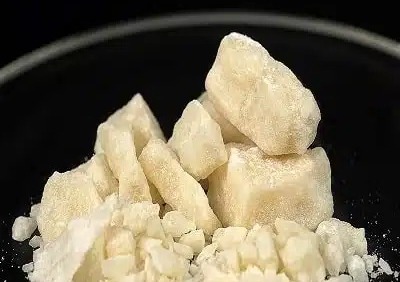
Crack cocaine wholesale suppliers in europe is a smokable form of cocaine that is produced by processing cocaine hydrochloride into solid “rocks.” Smoking crack allows the drug to reach the brain very quickly, producing intense but short-lived effects. This rapid onset increases its potential for repeated use and dependence.
Common short-term effects include:
- Intense euphoria
- Increased alertness
- Elevated heart rate
- Increased energy
- Reduced appetite
- Restlessness
Because the effects wear off quickly, some users may consume the drug repeatedly over a short period, increasing the risk of harmful physical and psychological consequences.
Crack Cocaine Trends Across Europe
Although Crack Cocaine in Europe has historically been concentrated in a limited number of cities, reports from several European countries indicate broader availability in recent years. Increased cocaine supply, changing consumer markets, and evolving distribution methods have all contributed to this trend.
Several factors influencing crack cocaine trends in Europe include:
- Increased global cocaine production
- Greater availability of cocaine products
- Expansion of organized criminal networks
- Urban drug market changes
- Socioeconomic inequalities affecting vulnerable populations
Patterns of use differ between countries and regions, making local public health responses particularly important.
Organized Crime and Crack Cocaine Distribution
The European crack cocaine market is closely linked to organized groups wholesale in international cocaine trafficking. These networks manage the importation of cocaine, transportation, wholesale distribution, and local street-level sales.
Criminal organizations often exploit:
- International shipping routes
- Commercial freight
- Encrypted communication technologies
- Money laundering operations
- Cross-border criminal partnerships
Law enforcement agencies across Europe continue to cooperate internationally to disrupt trafficking operations and reduce the supply of illicit drugs.
Health RisksCrack cocaine use of Crack Cocaine
Crack cocaine for sale in Europe use carries significant health risks, particularly because of its rapid effects on the brain and cardiovascular system.
Short-term health risks include:
- Rapid heart rate
- High blood pressure
- Chest pain
- Anxiety
- Panic attacks
- Aggressive behavior
- Seizures
- Stroke
- Heart attack
Repeated use increases the likelihood of developing dependence and can contribute to a range of long-term health problems.
Long-Term Effects of Crack Cocaine
Regular crack cocaine use may affect both physical and mental health.
Potential long-term consequences include:
- Cocaine dependence
- Chronic respiratory problems from smoking
- Weight loss
- Sleep disturbances
- Depression
- Anxiety disorders
- Memory and concentration difficulties
- Increased risk of cardiovascular disease
Some individuals may also experience social consequences, including difficulties maintaining employment, housing, education, and relationships.
Mental Health and Crack Cocaine
Mental health complications are common among people who use crack cocaine regularly. The drug’s effects on brain chemistry can contribute to significant psychological symptoms.
Possible mental health effects include:
- Severe anxiety
- Irritability
- Mood swings
- Depression
- Hallucinations
- Paranoia
- Cocaine-induced psychosis
People experiencing severe psychological symptoms should seek assessment and treatment from qualified healthcare professionals.
Social and Economic Impact in Europe
The effects of crack cocaine extend beyond individual health. Communities may experience increased pressure on healthcare systems, addiction treatment services, emergency care, and social support programs.
Governments invest substantial resources in:
- Addiction treatment
- Mental health services
- Public health education
- Community outreach
- Law enforcement
- Criminal justice systems
- Housing and social services
Reducing these impacts requires coordinated efforts involving healthcare providers, local authorities, community organizations, and policymakers.
Prevention Strategies
Preventing crack cocaine-related harm requires evidence-based public health strategies that address both substance use and its underlying social determinants.
Common prevention measures include:
- Drug education in schools
- Community awareness campaigns
- Early intervention services
- Youth support programs
- Mental health care
- Access to social services
- Employment and housing assistance for vulnerable populations
Early intervention can reduce the risk of developing more severe substance use problems is currently no universally approved medication specifically designed to treat crack cocaine dependence..
Treatment for Crack Cocaine Dependence
There is currently no universally approved medication specifically designed to treat crack cocaine dependence. However, several evidence-based approaches have demonstrated positive outcomes.
Treatment options may include:
- Cognitive Behavioral Therapy (CBT)
- Motivational interviewing
- Individual counseling
- Group therapy
- Residential rehabilitation programs
- Outpatient treatment
- Peer recovery support
Recovery often involves addressing mental health, physical health, housing, employment, and social support alongside substance use treatment.
Harm Reduction Approaches
Many European countries have implemented harm reduction initiatives aimed at reducing the health consequences associated with drug use.
Examples include:
- Health education
- Access to addiction services
- Infectious disease prevention programs
- Mental health support
- Outreach services
- Community-based healthcare
These approaches complement prevention and treatment efforts by helping individuals access care and reduce health risks.
The Future of Crack Cocaine in Europe
Experts continue to monitor changes in European drug markets as cocaine production and trafficking evolve. Public health agencies emphasize the importance of collecting reliable data, strengthening healthcare services, improving prevention programs, and supporting evidence-based policymaking.
Future priorities are likely to include:
- Enhanced monitoring of drug trends
- Expanded addiction treatment services
- Improved mental health support
- Greater international cooperation
- Stronger community prevention initiatives
- Continued efforts against organized criminal networks
A comprehensive response that integrates healthcare, social services, and law enforcement is widely regarded as the most effective strategy for reducing harm.
Frequently Asked Questions
What is the difference between crack cocaine and powder cocaine?
Where to Find Crack cocaine in Europe is a smokable form of cocaine that produces faster and shorter-lasting effects than powder cocaine, increasing the potential for repeated use and dependence.
Is crack cocaine use increasing in Europe?
Some European countries have reported increased availability and use of crack cocaine in Europe, particularly in certain urban areas, although patterns vary across regions.
What are the biggest health risks?
Ordering Crack cocaine in Europe use can increase the risk of addiction, heart attack, stroke, respiratory problems, anxiety, depression, and severe mental health complications.
Can remains a complex public health and social issue shaped by global drug markets, organized crime, socioeconomic factors, and healthcare needs. While increased availability has raised concerns in several countries, evidence-based prevention, accessible treatment, harm reduction, and coordinated law enforcement efforts can help reduce the impact on individuals and communities. Continued people recover from crack cocaine dependence?
Yes. Many people benefit from evidence-based treatment, counseling, behavioral therapies, peer support, and long-term recovery services tailored to their individual needs.
Conclusion
Trusted Supplier Crack Cocaine in Europe remains a complex public health and social issue shaped by global drug markets, organized crime, socioeconomic factors, and healthcare needs. While increased availability has raised concerns in several countries, evidence-based prevention, accessible treatment, harm reduction, and coordinated law enforcement efforts can help reduce the impact on individuals and communities. Continued investment in research, healthcare services, and community support will be essential for addressing the evolving challenges associated with crack cocaine across Europe.
